You want a better job. Maybe you want a promotion, or perhaps you want to switch fields entirely. The problem is usually the same: you need new skills, but you don’t have the time or money for a new degree.
Here is the good news. You don’t need to go back to university to learn what you need.
Over the last twenty years, education has changed. It used to be locked behind expensive tuition and campus gates. Now, expert knowledge is available to anyone with an internet connection. Research shows that online learning can cut training time in half compared to traditional classrooms.
The trick isn’t finding the information. It is knowing where to look and how to use it to prove you are ready for the job.
Why Employers Care About Your “Free” Education
Some people worry that employers won’t take free courses seriously. They think a certificate from a website doesn’t look as good as a diploma.
This is only half true. While a free certificate isn’t the same as a college degree, it still sends a powerful message to hiring managers.
1. It Shows You Have the Skills
For many jobs, especially in tech and marketing, the only thing that matters is if you can do the work. If you learn to write code using a free site like freeCodeCamp, that code works exactly the same as code learned in a university lab. Employers want to know if you can solve their problems. If you learned how to do it for free, that’s fine with them.
2. It Shows You Have Grit
Finishing a long, hard course on your own is tough. No one is checking your attendance. You don’t have a professor pushing you.
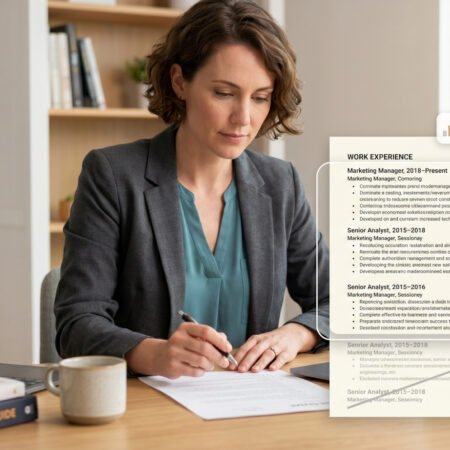
When you put a completed self-study course on your resume, it tells a manager something important about your personality. It says you are disciplined. It says you are curious. It says you can set a goal and finish it without someone holding your hand. These are traits every boss wants.
Where to Find the Best Free Training
Not all free courses are the same. Some are great for deep learning, while others are just quick videos. Here is a breakdown of where you should spend your time.
The “Big Name” University Sites
Platforms: Coursera, edX Best For: Theory, business basics, and science.
These sites host classes from places like Yale and Harvard. They are great if you want to understand the “why” behind a topic.
The Catch: Be careful. These sites have changed over the years. They often use a “freemium” model. You can watch the videos for free, but they might block you from taking quizzes or seeing your grades unless you pay. On edX, you often lose access to the course after a few weeks if you stay on the free plan.
The Tech Giants
Platforms: Microsoft Learn, Google (via Coursera or Cloud Skills Boost) Best For: Learning specific tools.
Companies like Microsoft and Google want you to use their products, so they give away the training for free. Microsoft Learn is completely free and very hands-on. You can practice using cloud tools in a safe environment without paying. If you want to work in IT or data, go to the source.
The Hands-On Bootcamps
Platforms: freeCodeCamp, The Odin Project Best For: Learning to code and building a portfolio.
If you want to be a developer, skip the videos and start building. The Odin Project is famous for being tough. It makes you set up your computer like a real professional developer right from the start. It doesn’t hold your hand, which means if you finish it, you are likely ready for a job. freeCodeCamp is friendlier and runs right in your web browser. Both are excellent and completely free.
For Marketers
Platforms: HubSpot Academy, Meta Blueprint Best For: Digital marketing and social media.
HubSpot offers free certification courses that are widely respected in the marketing industry. If you are applying for an entry-level marketing role, having these on your resume is a smart move.
How to Put Free Courses on Your Resume
This is where many job seekers mess up. Do not just list every video you watched. It looks cluttered and desperate.
Instead, follow these rules:
Focus on Projects, Not Certificates: A hiring manager cares more about what you built than what you watched. Did you take a Python course? Great. Use that section of your resume to link to a program you wrote. Did you take a marketing course? Show a campaign you designed.
Be Honest: If you only watched the intro videos, don’t list the course. If you get asked about it in an interview, you need to be able to explain what you learned.
Group Your Skills: If you took five short tutorials on Excel, don’t list five separate items. Just add “Advanced Excel” to your skills section and be ready to prove it.
The Secret Weapon: Community
There is one more benefit to these platforms that most people miss. You are not alone.
Sites like The Odin Project and freeCodeCamp have huge online communities on Discord. Thousands of other learners are there right now.
Join them. If you help someone fix a bug in their code, you are networking. Many people find jobs not by applying online, but because a friend they met in a study group recommended them.
Start Today
The job market moves quickly. The skills that were important five years ago might be outdated now. The best way to protect your career is to keep learning.
You don’t need to wait for the “right time” or for your bank account to grow. The resources are there. Pick a topic, find a course, and start today.