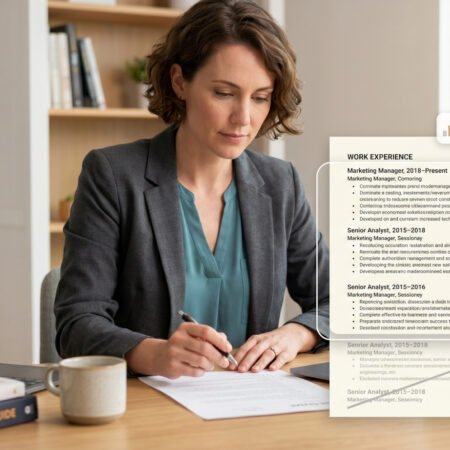
Are you tired of feeling burned out at work? You are not alone. Many people are leaving high-pressure careers to look for low stress jobs. The constant rush of modern work leaves plenty of us feeling exhausted, and seeking a calmer path makes a lot of sense.
But what exactly makes a job low stress, and should you actually try to get one? Let’s look at the advantages, the disadvantages, and how to decide if making a change is the right move for your career and your wallet.
What Makes a Job “Low Stress”?
A low stress job does not mean you sit around doing nothing all day. It just means you have the tools and time you need to handle your work without feeling overwhelmed.
If you look closely at the best low stress jobs, they usually share a few key traits:
Control over your day: Being able to choose how and when you finish your tasks makes a huge difference. When you are the boss of your own time, work feels much easier.
Predictable routines: Knowing exactly what to expect means fewer nasty surprises, sudden deadlines, or last-minute emergencies.
Flexible schedules: Working from home or setting your own hours helps you balance work and life.
Great Low Stress Jobs to Consider
You might think you have to take a massive pay cut to find peace at work. That is not always true. Here are a few options across different fields:
Jobs with great pay: Roles like actuary, biostatistician, or technical writer pay well. These jobs focus on deep data analysis or writing projects. You spend your day doing focused work instead of putting out fires or dealing with angry clients.
Jobs without a college degree: Virtual assistants and medical coders can often work from home and set their own pace. If you prefer to be active, certain skilled trades like boilermaking offer steady, step-by-step work without office politics.
New green and tech roles: Jobs in renewable energy planning or AI ethics are growing fast right now. They focus on careful planning and following rules, which means a steadier pace than typical tech startup roles.
The Advantages of Low Stress Jobs
Why should you consider taking a step back from the daily grind? The benefits are pretty amazing.
Better Health Constant pressure harms your body. It keeps your heart rate up and weakens your immune system. Moving to a calmer workplace helps your body heal, lowers your blood pressure, and keeps you from getting sick as often.
Energy for Real Life High-pressure jobs drain you so completely that you might only have the energy to watch TV after work. When your job does not drain you, you actually have the energy to enjoy your hobbies, hang out with friends, and exercise.
Peace of Mind If you naturally worry a lot or get anxious easily, a predictable job is a lifesaver. It keeps your daily anxiety in check and lets you sleep better at night.
The Hidden Disadvantages
It sounds perfect, but there are some big risks to watch out for before you hand in your resignation.
Dying of Boredom (Rustout) If a job is too easy, you might develop something called “boreout.” Doing boring, meaningless tasks all day without any challenge can actually make you feel exhausted and sad. You want a job that is calm, not one that puts your brain to sleep.
Career Stalls When you stop taking on challenges, your skills can get rusty. This makes it harder to get promotions, earn raises, or find a new job later on if you decide you want a change.
The Money Trap This is the biggest catch. Switching to an easier role often means a large pay cut. You might also lose helpful benefits like good health insurance or tuition help. Worse, changing jobs frequently can really hurt your long-term retirement savings because you might miss out on company match programs.
Actionable Steps: Should You Make the Jump?
Before you quit your high-pressure gig to hunt for low stress jobs, try these steps first:
Take a long break: If you can, take a long vacation or ask for an unpaid leave. When you are severely burned out, it is hard to think clearly. A few weeks of deep rest might help you realize you just need a break, not a whole new career.
Change your current job: Try “job crafting.” Ask your boss if you can swap tasks you hate for projects you actually enjoy. Offer to mentor a new employee to add some meaning to your day. Changing how you work can make your current job feel fresh again.
Check your budget: If you do decide to leave, make sure you have an emergency fund saved up. Calculate exactly how much money you need to pay your bills before you accept a lower salary.
Finding a low stress job is a highly personal choice. You have to weigh your health and happiness against your budget and career goals. The perfect middle ground is finding a job that challenges you just enough to keep things interesting, without pushing you over the edge.